



Interior Design 2026: The 5 Biggest Trends of the Year
Every new year, the interior design world fills up with trend lists promising to predict "what's in." The problem is that most of that content is written for someone redecorating their living room, not for someone who designs spaces professionally. If you're an interior design student, a junior interior designer, or considering making the leap into this field, knowing that "beige is trending" probably won't help you. What you need is to understand what's driving those trends and how to translate them into a real project — with a client, a budget, and functional requirements to work around.
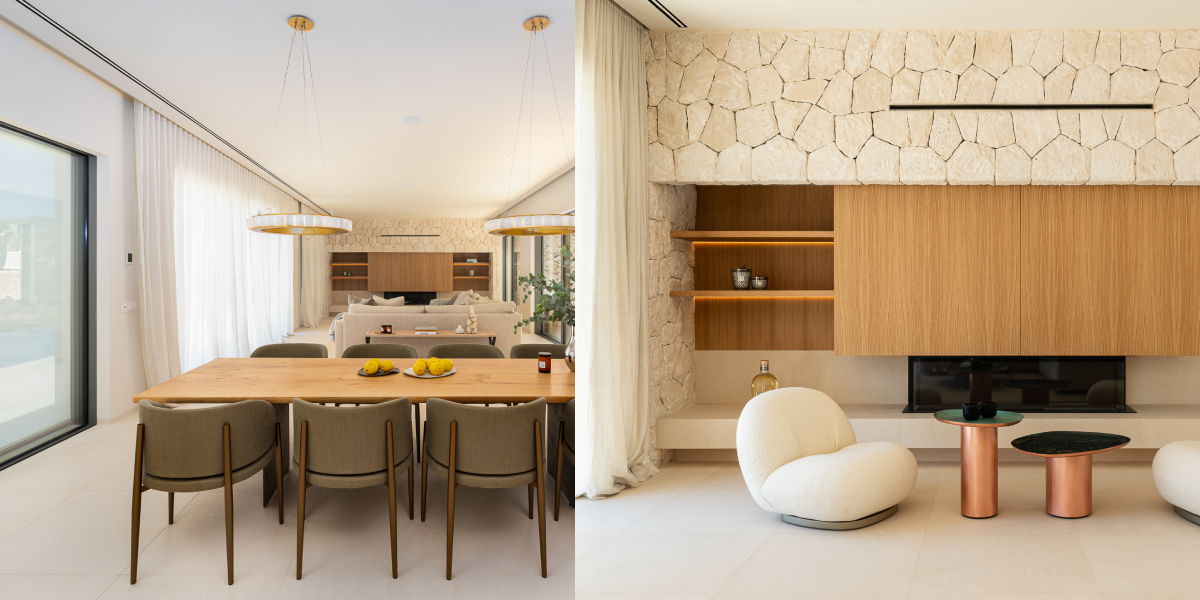
• The big underlying shift in 2026 is the move from cold minimalism to warm minimalism: serene yet inviting spaces, tactile materials, and an aesthetic that’s less rigid than the “quiet luxury” of recent years.
• Authentic, traceable materiality (untreated wood, natural stone, artisanal ceramics, recycled metals) is gaining ground over flawless industrial finishes, in line with growing demand for sustainability and permanence.
• Biophilic design stops being decoration and becomes structure: natural light, living materials, and continuity between indoors and outdoors are built into the project from day one, not tacked on at the end.
• Spaces are becoming hybrid and multifunctional out of real necessity (remote work, socializing, versatility), and the kitchen is cementing itself as the new social hub of the home.
• Artificial Intelligence is entering the professional interior design process — visualization, concept generation, space personalization — changing how studios and freelancers develop and present projects.
2026 is a particularly interesting year for interior design because we’re not just looking at a shift in the color palette — we’re looking at a paradigm shift. The industry is moving away from the extreme minimalism and polish of the last decade and toward spaces that prioritize human experience, material authenticity, and real day-to-day functionality. Leading industry reports such as Archiproducts’ Interior Design Trends and Domus Academy’s annual trend analysis point to the same underlying diagnosis. On top of that, a new factor is starting to transform the designer’s own workflow: Artificial Intelligence applied to space conceptualization and visualization.
In this guide, we’ll break down the 5 trends that actually matter if you work — or want to work — in interior design professionally: what’s driving them, how they translate into a residential, office, hotel, or restaurant project, and which mistakes to avoid so you don’t apply them superficially.
Before diving into each trend, here are the most frequent missteps we see in student and junior designer projects when incorporating trends into their work:
• Copying the look without understanding the function. Applying a visual trend (organic materials, for example) without considering the space’s actual use produces projects that look good but don’t work well.
• Mixing trends without a coherent direction. Not all trends coexist well together. Combining chromatic maximalism with warm minimalism without a clear direction results in spaces with no identity.
• Ignoring the client’s brief to chase the trend of the moment. A trend doesn’t replace the real needs of the people who will use or manage the space.
• Failing to adapt the trend to the project type. What works in a home doesn’t necessarily work in a hotel or a restaurant, where regulations, foot traffic, and brand experience all come into play.
• Presenting a project without justifying material or style choices. A client — or a thesis committee — will always value a well-argued decision far more than an aesthetic choice with no rationale behind it.
Before getting into the detail of each trend, it’s worth understanding the context driving them. Interior design in 2026 responds to three underlying forces:
Fatigue with extreme minimalism. After more than a decade of cold, rational spaces designed almost exclusively for photography, there’s growing demand for spaces that feel lived-in and full of personality.
Sustainability as a requirement, not just talk. More and more clients — both private and corporate — are asking for materials with real traceability, responsible production processes, and durable pieces instead of disposable furniture.
A real change in how spaces are used. Remote work, the hybridization of uses in offices and homes, and the search for social experiences in restaurants and hotels are forcing a rethink of the functionality of every square foot.
Snippet: 2026’s trends aren’t a passing shift in taste — they’re a response to how people’s way of living, working, and socializing in their spaces has changed.
1. Warm minimalism: the evolution of “quiet luxury”
Minimalism isn’t disappearing, but it is transforming. In contrast to the coldness and excessive rationality of the ultra-minimalist spaces of the previous decade, 2026 cements a warmer minimalism: clean lines combined with soft-textured materials, earthy tones, and an overall sense of comfort. Specialized studies such as Decorilla’s trend report place this evolution among the year’s dominant currents.
Professional application: in a residential project, this translates into simplifying the overall composition of the space while layering in texture through natural textiles (heavy linen, bouclé wool), untreated wood, and artisanal ceramics. In commercial or hotel projects, it allows for building a serene brand identity without falling into the impersonality of generic corporate spaces.
LABASAD tip: “Warm minimalism isn’t about doing less — it’s about choosing better. It’s the difference between an empty space and a calm one. We teach our students to work with that distinction from the concept phase, not as a last-minute adjustment.” — Interior Design Faculty, LABASAD.
2. Authentic, traceable materiality
One of the most cross-cutting trends of 2026 is the return of the value of matter itself: natural stone with irregular texture, wood with visible grain, smoked or fluted glass, and matte or patinated metals, often recycled or regenerated. In contrast to the industrial perfection of uniform finishes, what’s valued now is authenticity, the traceability of a material’s origin, and its ability to age with dignity — as reflected in Archiproducts’ Interior Design Trends 2026 report, built through direct dialogue with brands and industry professionals.
Professional application: this has direct implications for supplier selection and how a project is argued to the client. It’s no longer enough to choose a material for its finish alone; more and more clients — especially in hospitality and corporate office projects — are asking for proof of origin, responsible production processes, and long-term durability.
Implications for the designer: it requires expanding your technical knowledge of materials beyond the usual catalog, and learning to communicate the value of an artisanal or responsibly sourced piece over cheaper but less sustainable alternatives.
Snippet: In 2026, choosing a material is no longer just an aesthetic decision — it’s a decision you need to be able to justify in terms of origin, production, and durability.
3. Biophilic design as structure, not decoration
Biophilic design — the integration of natural elements into built space — has been present in interior design for years, but in 2026 it takes a qualitative leap: it stops being a decorative element (a plant, a mural) and becomes a structural criterion of the project from the very beginning, a reading shared by leading firms such as Decorilla in its forecasts for the year.
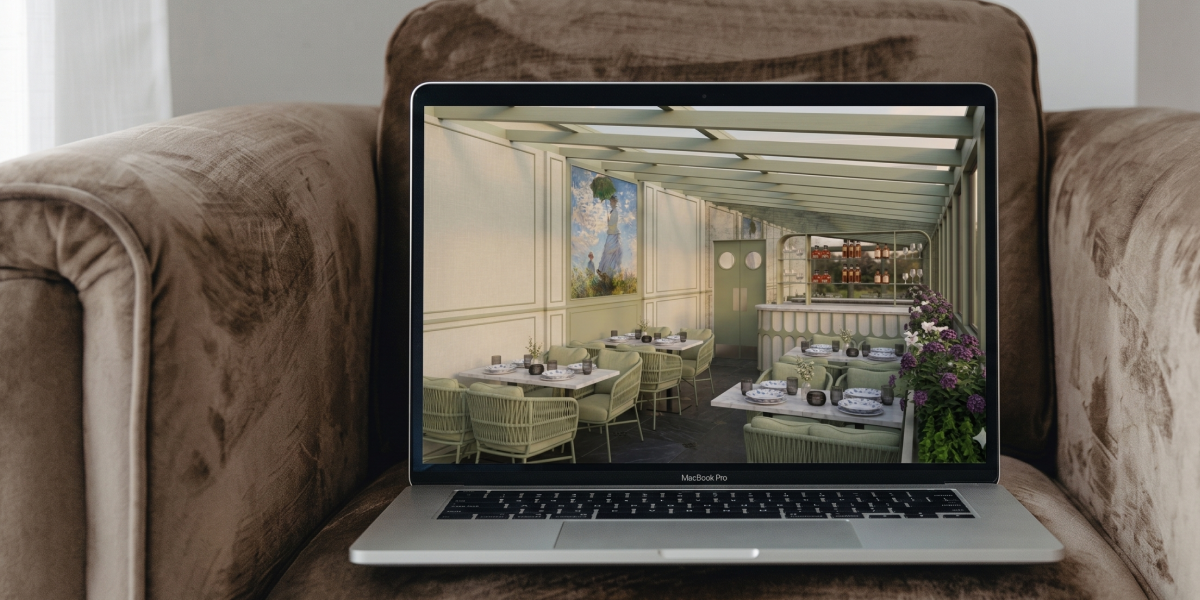
Professional application: this means thinking through the orientation of natural light, the use of reflective surfaces to optimize it, visual and physical continuity between indoors and outdoors (especially relevant in projects with a terrace or garden), and incorporating living materials — natural stone, rattan, wicker, wood — from the concept phase of the space, not as a final finish.
In hospitality projects, this trend is especially powerful: hotels and restaurants that integrate biophilia structurally create a differentiating sensory experience that directly impacts brand perception.
LABASAD tip: “Biophilia, when applied well, doesn’t feel like an add-on — it feels like part of the space itself. That’s the level of integration we want our students to reach in their restaurant and hotel design projects.” — Interior Design Faculty, LABASAD.
4. Hybrid, multifunctional spaces
The rigidity of “one room, one function” keeps losing ground. In 2026, both in homes and in workplaces and hospitality settings, there’s a growing need for versatile spaces that can adapt to different uses throughout the day.
In homes: the kitchen is establishing itself as the true social hub of the home, open to the living room, with invisible storage and a polished look that turns it into a gathering space, not just a place for domestic work.
In workplaces: the hybridization between office and home space is forcing a rethink of furniture, acoustics, and room flexibility to accommodate meetings, individual work, and informal moments.
In hospitality: restaurants and hotels increasingly look for experiences that combine functions — coworking spaces inside hotels, retail integrated into restaurants — to maximize the value of every square foot and generate new revenue streams.
Snippet: The 2026 space is no longer designed for a single function — it’s designed to adapt to the different moments of use of the people who inhabit it.
5. Artificial Intelligence applied to the interior design process
The fifth trend isn’t aesthetic — it’s about process, and it’s the one that’s changing the interior designer’s day-to-day work the most. Generative AI has entered the interior design workflow as a rapid conceptualization tool: generating visual proposals from a style description, visualizing materials and finishes before production, or personalizing spaces based on a client’s profile.
Professional application: at the pitch stage, it allows several conceptual directions for a project to be presented in far less time than traditional full-scale rendering would take. During development, it helps explore combinations of materials, lighting, or layout before committing resources to a definitive technical proposal.
The real limit: as in other design disciplines, AI speeds up conceptual exploration, but it doesn’t replace the technical knowledge needed to resolve a real project — regulations, materials, construction execution, supplier management. The designer who integrates AI with professional judgment gains speed; the one who hands judgment over to the tool loses project quality.
LABASAD tip: “AI lets us show a client five directions for a space in the time it used to take to render one. But deciding which of those directions best solves the project’s challenge is still entirely up to us. That’s why technical training remains the foundation, and AI is the accelerator.” — Interior Design Faculty, LABASAD.

Knowing the trends is only the first step. The real professional value lies in knowing when and how to apply them without the project losing coherence or becoming a superficial copy of a fashionable reference.
1. Always start from the brief, not the trend. A trend should solve a real need in the project — functional, brand-related, or experiential — never override it.
2. Select, don’t stack. Applying all five trends at once in the same project creates visual noise and a lack of direction. It’s better to choose one or two trends as a conceptual axis and develop them in depth.
3. Adapt the trend to the type of space. What works in a private home may require regulatory, flow, or maintenance adjustments in a hospitality or office project.
4. Justify every decision to the client or the review panel. The difference between a professional project and a Pinterest moodboard lies in the ability to argue why each choice responds to the challenge at hand.
An interior design portfolio that only shows pretty renders isn’t enough in 2026 — what sets a candidate apart is the ability to show the strategic thinking process behind each project. Structure each portfolio piece using this logic:
Context: describe the type of space, the client (real or fictional), and the project’s starting conditions (location, dimensions, relevant regulations).
Challenge: identify the specific problem the project needed to solve — functional, brand experience, or user need — beyond aesthetics.
Process: show the conceptualization journey: initial references, sketches, material exploration, and if you used AI at any point, document how you integrated it into that exploratory phase.
System: explain how the concept translates into a coherent system of materials, lighting, furniture, and layout across the entire space.
Applications: present the project in context — floor plans, renders, construction details — to demonstrate that the proposal is technically viable, not just a visual idea.
Takeaways: close with an honest reflection on the decisions made, what worked, and what you’d improve, showing the ability for professional self-critique.
Snippet: An interior design portfolio convinces when it demonstrates design judgment applied to a real challenge — not when it only shows pretty spaces with no context.
Do I need to follow every trend in an interior design project? Quick answer — no. Trends are a reference context, not an obligation. A professional project is built from the client’s brief and the space’s specific challenge.
What’s the difference between interior design and interior decoration? Interior design involves structural and technical intervention in the space — layout, materials, lighting, regulations — while decoration focuses on the aesthetic treatment and furnishing of an already-built space. Both disciplines complement each other but require different training.
Will Artificial Intelligence replace the interior designer’s job? AI speeds up conceptual exploration and visualization, but the technical resolution of a project — materials, regulations, construction execution — still requires specific professional training.
Which trend is most relevant for hospitality projects (hotels and restaurants)? Biophilic design and hybrid spaces are especially relevant in this sector, because they directly impact the client experience and the ability to generate new sources of value within the same space.
Do I need specific training to work with these trends professionally? Yes. Applying trends with judgment requires technical knowledge of materials, regulations, project representation, and design methodology. Without that foundation, the risk is staying at a superficial, purely aesthetic level.
The interior design trends of 2026 have one thing in common: they all respond to real changes in how people want to live, work, and relate to their spaces. Knowing them gives you context, but turning them into solid projects — technically viable, coherent, and well argued — is what truly separates a decoration enthusiast from an interior design professional.
If you want to build that technical and strategic foundation — learning to design residential, office, hotel, and restaurant spaces with professional judgment, and incorporating Artificial Intelligence as a tool within your creative process — LABASAD’s Online Master in Interior Design and Hospitality is designed exactly for that: 60 ECTS credits, delivered in LABASAD’s live #Onlive format, with a dedicated AI-driven space-creation workshop built into the curriculum, and a final master’s project geared toward the industry’s real career paths.
We’d also like to credit the images used in this article: the banner is part of a project by Nadin Anani, professor of the Master’s in Interior Decoration, and the remaining images are by our student Alba Gutiérrez Ojeda.