



What is Art Direction: One of the creative professions hardest to replace with AI

Have you ever seen a campaign where every piece — poster, video, post, packaging — looked like it came from a different brand? That inconsistency is almost never a "Photoshop mistake." It's usually the absence of art direction. Someone made the graphics, but nobody defended a single visual idea to unify every touchpoint.
• Art direction is the discipline that translates a communication idea into a coherent visual universe: concept, style, tone, and execution across every touchpoint of a campaign or brand.
• The art director decides what gets communicated visually, why, and how consistency is maintained — they don’t just “draw better” than a graphic designer.
• The art director’s job is making visual decisions under real-world constraints: time, budget, audience, brand, and business goals.
• Generative AI speeds up production; it doesn’t replace the judgment that picks the idea, negotiates with the client, and defends the campaign’s coherence.
• The role evolved from print advertising into a multichannel ecosystem: motion, social, responsive identity, and the visual systems of digital product.
• What separates it from graphic design is concept + coherence + leadership, not mastering more tools.
If you’re studying design, interested in advertising, or coming from graphic design, “art director” shows up in portfolios, agency briefs, and job postings — but what actually sets it apart from a designer role is rarely explained clearly. And in 2026, with generative AI producing images, videos, and layouts in minutes, the question is inevitable: does this role still make sense?
The short answer is yes — because art direction isn’t accelerated production, it’s judgment applied to communication. And as for AI, don’t worry! It simply supports the role’s core work; the art director still picks the idea, develops it alongside the message, and defends coherence whenever the format, channel, or technology changes.
• Confusing art direction with “whoever makes a single piece look pretty.”
• Assuming this role only exists in advertising agencies (it also lives in branding, editorial, digital, and events).
• Believing AI “acts as art director” just because it generates a coherent-looking image from a prompt.
• Reducing the role to mastering Photoshop, Figma, or Midjourney — with no conceptual thinking or leadership behind it.
• Showing only finished pieces in a portfolio, with no concept or system tying them together.
Art direction is the discipline that defines and oversees the visual language of a message: how it looks, how it feels, and how it stays recognizable across every touchpoint between a brand and its audience.
Working definition: translating a strategy or a creative concept into a coherent visual universe — typography, color, photography, illustration, motion, space, rhythm — and making sure every piece reinforces it instead of diluting it.
In advertising communication, art direction emerges where insight, creative concept, and execution meet. In branding and corporate visual identity, the Art Director — or whoever takes on that function — makes sure the graphic system isn’t just a collection of logos, but a repeatable visual territory.
LABASAD tip: Working in art direction isn’t the same as “making graphics.” In our master’s program, we teach students to put the concept ahead of the format: the piece serves the idea, not the other way around.
For much of the 20th century, the art director worked primarily in print advertising agencies, coordinating illustrators, photographers, and typographers around a campaign idea. With the arrival of the digital environment, the role stopped being limited to classic print formats and moved into overseeing complete visual experiences: interfaces, motion, social content, responsive identity, spatial activations, and, on product teams, visual systems that connect brand to digital.
Today, an Art Director can jump within the same project from a key visual for OOH, to directing a vertical video, to the consistency of a social feed, to adapting a campaign to a design system — from the most spectacular audiovisual production to the simplest website.
LABASAD tip: Every creative role today is evolving toward AI use. That’s why our Master’s in Art Direction is complemented with a specialized AI module, so our students develop an up-to-date creative profile.
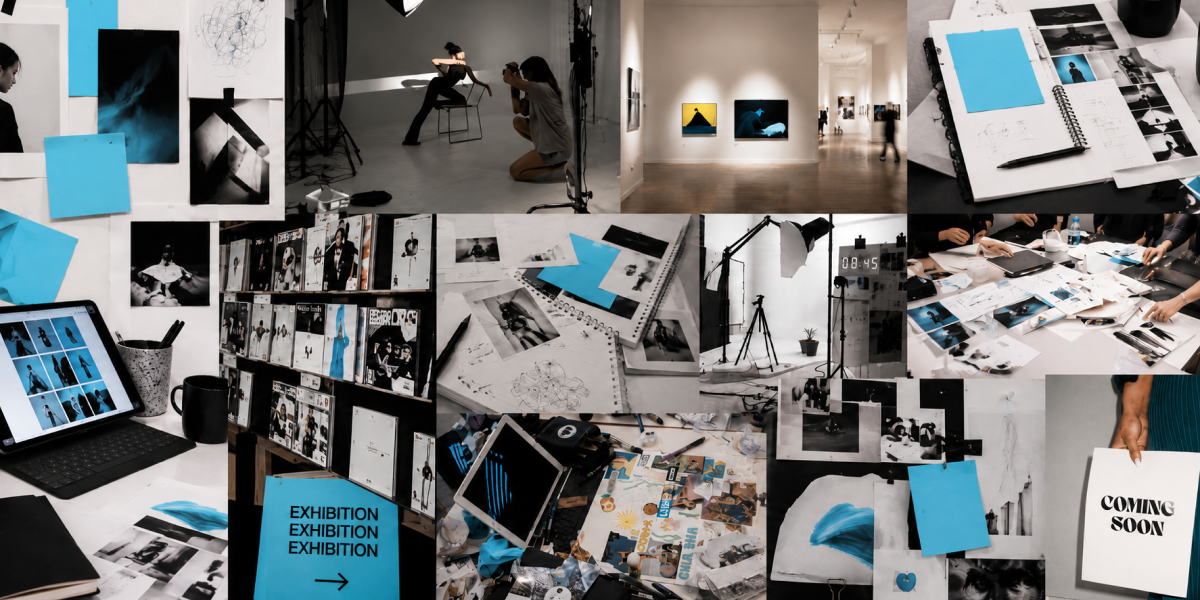
They may look like similar roles — but they’re very different! The graphic designer resolves visual execution within a framework: layout, typography, color, production. The art director defines that framework — or negotiates it — and makes sure every piece tells the same story.
The difference isn’t “more senior” tool skills. What changes is the responsibility over the idea:
• Graphic designer: “This piece works, meets the brief, and is well produced.”
• Art director: “This piece fits the campaign idea, carries the right message tension, and scales to other formats without losing its soul.”
In classic agencies, the Art Director works shoulder to shoulder with the copywriter and the creative director. In branding studios or in-house teams, the same person may alternate between both roles — but when the project is a multichannel advertising campaign, the art-direction function becomes explicit.
The jump from designer to art director demands a different mix of skills, mindset, and portfolio: concept, coherence, and leadership above technical execution alone. For a look from the education side, the post Introducing the Online Master’s in Art Direction shares LABASAD’s program experience.
The day-to-day varies by agency, studio, or brand department, but the core functions repeat.
1. What happens at the concept stage?
Reads and questions the brief, researches cultural and visual references, proposes creative directions (moodboards, key visuals, typographic or photographic territories), and defends decisions to the team and the client.
2. What happens during production?
Directs photo, video, illustration, or 3D sessions; defines style guides; reviews pieces by asking “is this still the same campaign?”; adapts the concept to different formats without betraying the idea.
3. What happens with the team?
Coordinates with copy, accounts, production, and media; gives feedback that improves the idea, not just the file; sometimes executes key pieces directly, but more often supervises and unblocks other creative profiles.
In practice, the AD is the guardian of visual coherence — which is exactly why design management has a direct impact on this role.
Less about producing images, more about making visual decisions under real constraints: time, budget, audience, brand, regulation, and business goals.
On a real project, you rarely pick “the prettiest option.” You pick the one that solves the brief within the available budget, scales across formats, coexists with the brand identity, and survives legal, media, or client review.
That decision layer is what separates art direction from graphic execution — and it’s exactly what AI can’t take on: it can propose ten visual directions; it can’t be responsible for which one gets published under a brand’s name.
Advice from the LABASAD faculty: “If your portfolio only shows loose pieces with no explanation of the idea that ties them together, you’re showing graphic design. If you show the concept, the discarded decisions, and how it scales across formats, you’re starting to talk like an art director.”
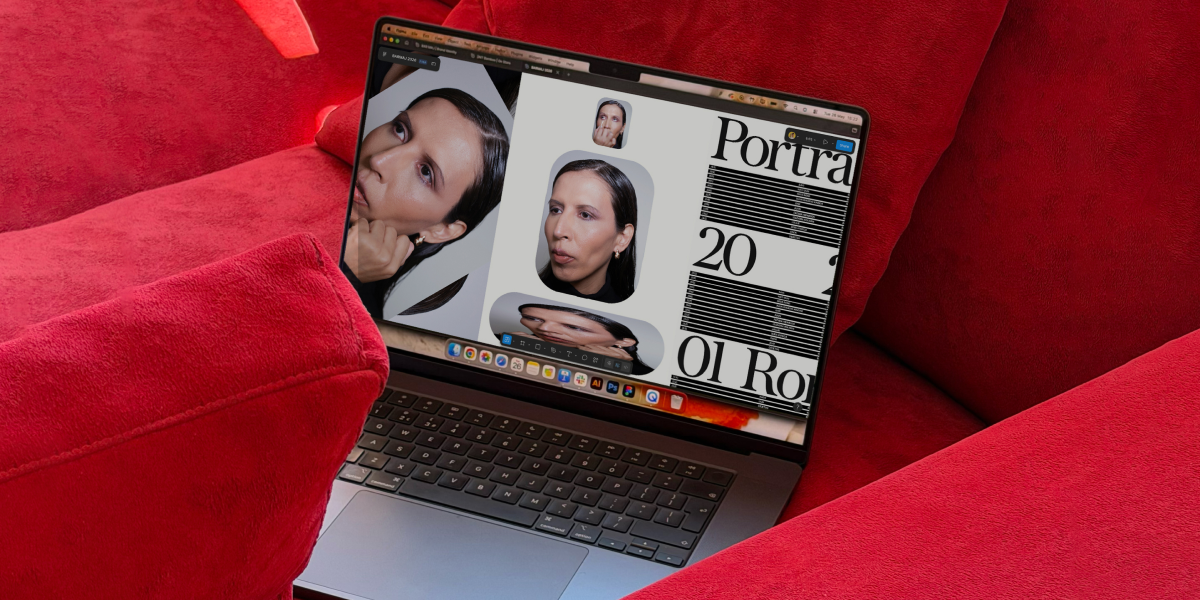
When a designer asks “which typeface should we use?”, an art director usually asks a few other questions first:
1. What do we want to convey? — not which font is trending.
2. What emotion are we going for? — urgency, calm, irony, belonging.
3. What system will let the campaign scale? — web, packaging, motion, social.
Only after that do the tools come in: Figma, Illustrator, a photo shoot, generative AI. Judgment comes before software — and in 2026, that sequence matters more, not less.
LABASAD tip: “Before opening any tool — including AI — write the idea in one sentence and ask someone outside the project to repeat it back. If they can’t, you don’t have a campaign yet — you have references.”
A campaign with solid art direction doesn’t start in Illustrator. It follows a path that connects strategy, creativity, and production.
1. Analysis and brief — audience, insight, goal, constraints.
2. Creative concept — the idea in one sentence, before the layout.
3. Visual direction — palette, typography, imagery, rhythm; the campaign’s “world” is born.
4. Production — photo, video, illustration, motion, 3D; AI speeds up variants, the AD filters them.
5. Multichannel adaptation — the same idea across TV, DOOH, stories, landing pages, packaging, or ephemeral spaces.
Each stage answers a key question that keeps the project on track. At the brief stage, the art director asks “what problem are we solving?”, to avoid producing beauty with no strategy behind it; when defining the concept, the goal is to sum up “what’s the idea in one sentence?”, avoiding merely decorative pieces.
During visual direction, the question is “what does that world look like?”, to prevent graphic inconsistency across touchpoints; in production, it’s “does the execution serve the idea?”, stopping technique from hijacking the core message; and finally, in the adaptation stage, “does it scale without betraying the idea?”, making sure the campaign doesn’t fracture as it rolls out across channels.
Spotify Wrapped shows art direction in action: a single idea — “your year in music” — becomes a recognizable universe across the app, Instagram cards or Stories, motion, and outdoor activations. Different formats; the same campaign, instantly recognizable.
IKEA works the other way around, but on the same logic: it doesn’t sell a one-off campaign, but a visual territory — product photography, typography, illustration, catalog, store, website, social — that’s instantly recognizable. The art director (or the team taking on that function) isn’t designing an isolated brochure: they’re defending a system that scales from packaging to retail space without losing its soul.
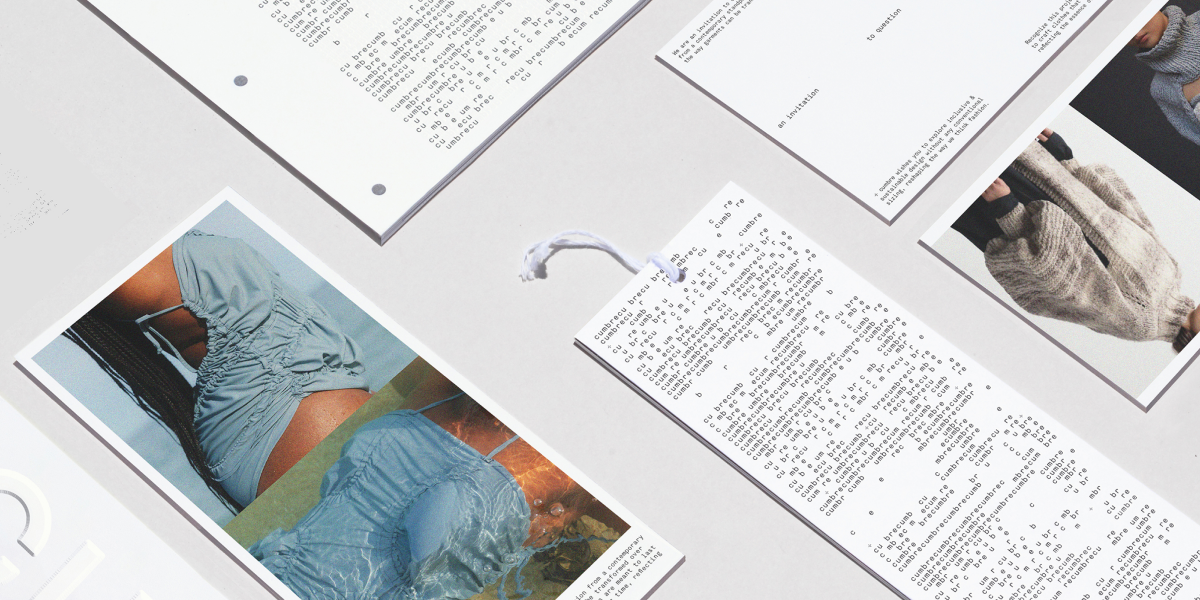
Generative AI has changed the pace of visual production. That doesn’t eliminate art direction — it makes it more valuable, because the bottleneck is no longer “making more graphics,” but deciding which ones deserve to exist. The cheaper production gets, the more valuable judgment becomes.
What CAN AI do?
• Speed up divergence: moodboards, key-visual variants, storyboards, adaptations.
• Produce photo, illustration, or motion drafts for internal testing.
• Automate resizing, versioning, and in-context mockups.
What can’t it do (even if it fakes it)?
Choose the right idea, negotiate with the client and legal, read cultural context, defend multichannel coherence, lead teams, and take responsibility for what gets published. A prompt can generate ten “believable” campaigns. None of them knows which one solves an advertiser’s brief in a regulated market, or how it coexists with a twenty-year-old identity. That’s human judgment.
The article on Creative Systems and generative AI and the post 5 AI tools you can’t miss expand on this map — but art direction demands method and role, not a catalog.
The art director’s role goes far beyond visual aesthetics, spanning a set of strategic and management skills essential to advertising and brand success. In practice, the core competencies start with conceptualization, which translates an insight into a solid, defensible visual idea, paired with strategic thinking that connects every aesthetic decision to business goals.
It also requires systems vision to approach brands and campaigns as integrated, multichannel ecosystems, alongside creative leadership capable of directing teams and vendors autonomously without slipping into micromanagement. Finally, the profile is rounded out by sharp cultural judgment to pick the right references — and discard the irrelevant ones — and constant adaptation to AI, integrating generative artificial intelligence into production processes without losing authorship or project coherence.
Many strong art directors come from graphic design and deepen their skills in strategy, photography, or audiovisual work along the way. What matters isn’t seniority — it’s demonstrating concept + system + execution.
In agencies, branding studios, in-house creative departments, and as a freelancer. Demand keeps growing wherever someone needs to conceive an idea and oversee its adaptation to video, social, retail, and digital — with or without AI in production.
1. “It’s graphic design with more years behind it.” No: it’s a different responsibility — concept and coherence — not just technique.
2. “AI acts as art director.” It generates outputs; it doesn’t defend an idea, negotiate, or lead teams.
3. “It’s all about personal taste.” Taste without strategy produces memorable campaigns… for the wrong audience.
4. “A portfolio is just pretty pieces.” Without concept, process, and system, it doesn’t demonstrate art direction.
5. “You don’t need to understand copy.” In advertising, image and word are born together — or they compete until they break the campaign.
6. “It’s a solitary role.” It’s deeply collaborative: strategy, copy, accounts, production, client.
What is art direction in advertising? It’s the function that defines and oversees a campaign’s visual universe: from the concept to its coherence across every touchpoint.
Will AI replace the art director? It replaces production and exploration tasks. It doesn’t replace choosing the idea, negotiation, cultural context, or creative leadership.
What studies help you become an art director? Graphic design, advertising, visual communication, or specialized master’s programs in art direction — backed by real projects in your portfolio.
Does an art director do graphic design? They may execute pieces, but their main function is defining the visual idea, overseeing coherence, and leading the creative team — not just producing files.
Now it’s your turn to start thinking in terms of ideas, coherence, and decisions — not just individual pieces — and you’ll already be reasoning like art direction.
Art direction isn’t about making pretty images. It’s about making sure an idea stays recognizable even when the format, the channel, or the technology changes. The tools will keep evolving. Judgment will remain the art director’s real job.
Going deeper into that journey — from strategic analysis to creative concept, audiovisual production, and multichannel campaigns with AI — is exactly what LABASAD’s Online Master’s in Art Direction in Communication and Artificial Intelligence offers: 60 ECTS, 12 months, Onlive methodology, and three generative-AI workshops, directed by Esteve Traveset. You don’t need to have your whole path figured out today — you just need to want to design with judgment.