



Tanit Plana discusses her integration of AI in documentary photography
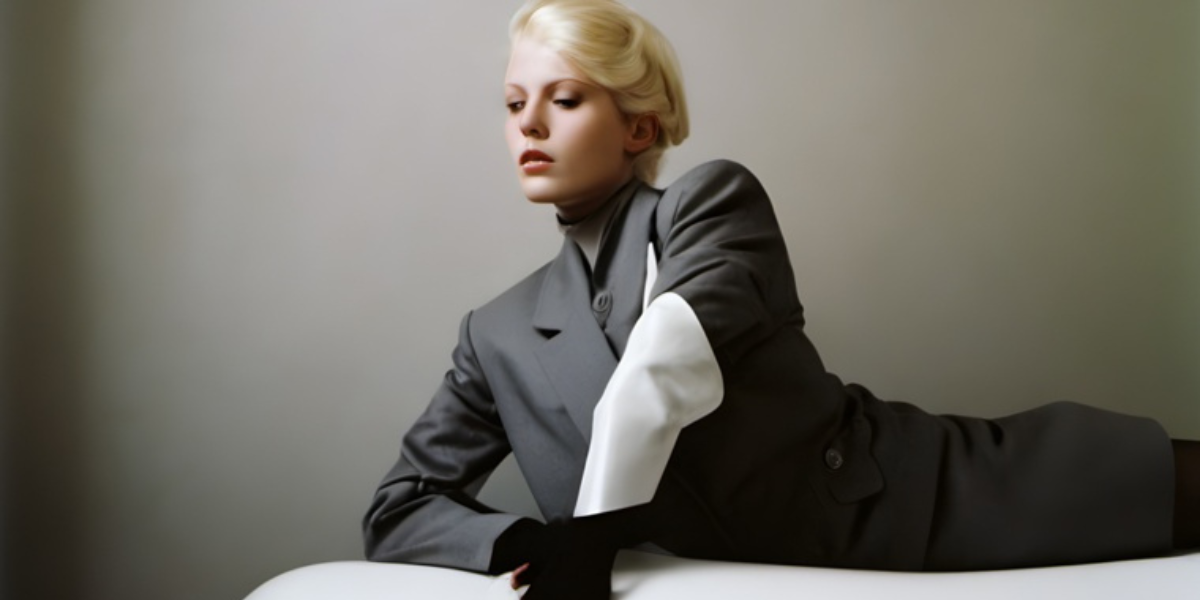
We recently interviewed Tanit Plana, a photographer with an extensive career and a lecturer on the Online Master in New Documentary Photography and the Máster Online en Nueva Fotografía Documental at LABASAD.
Tanit has integrated Artificial Intelligence into documentary photography, not as a substitute for reality, but as a tool for artistic inquiry.
Following her recent project, Disfuncionàries, we spoke with her about how this technology is redefining creative processes and what it implies, today, to construct a visual imaginary from scratch.
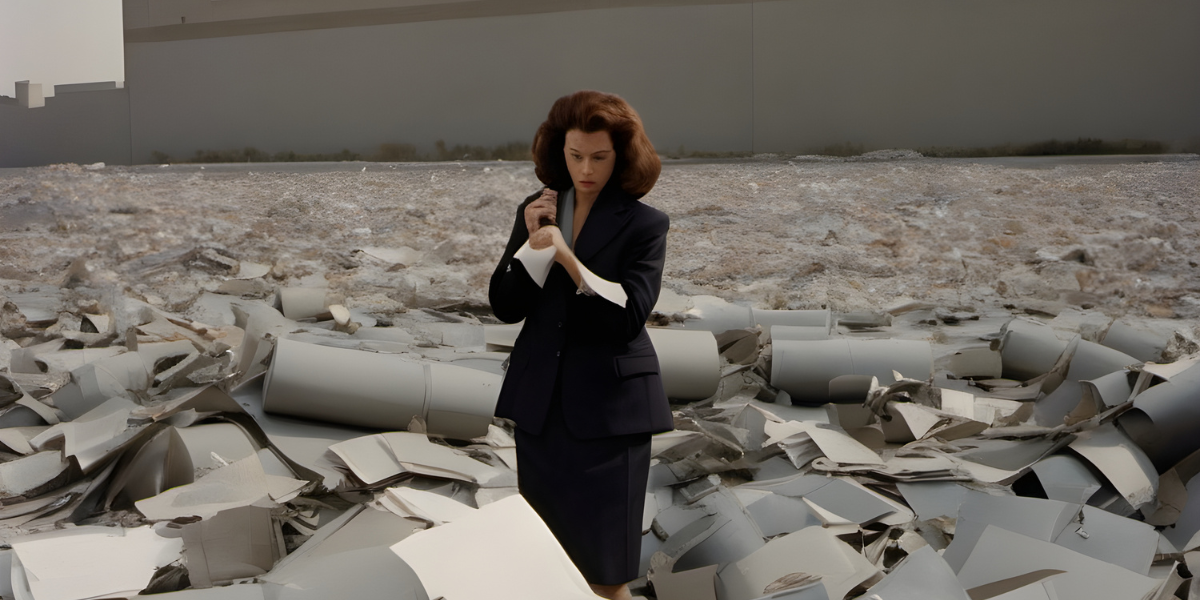
The origin of her exploration with AI arose from an impossibility. While working with teenagers in a correctional facility in Catalonia, Tanit felt the need to represent the body of staff, a complex and often invisible state structure. Faced with the difficulty of directly photographing that environment, AI appeared as the perfect ally to give shape to a collective imaginary regarding bureaucracy.
However, for Tanit, the use of tools such as Krea.ai is not a process of random generation. Her methodology is based on an exhaustive control of photographic technique applied to prompting:
“I imagine what type of film, what colours, and what lighting the scenes I want to work with have. These are references that are very familiar to me and, from there, I develop that world”.
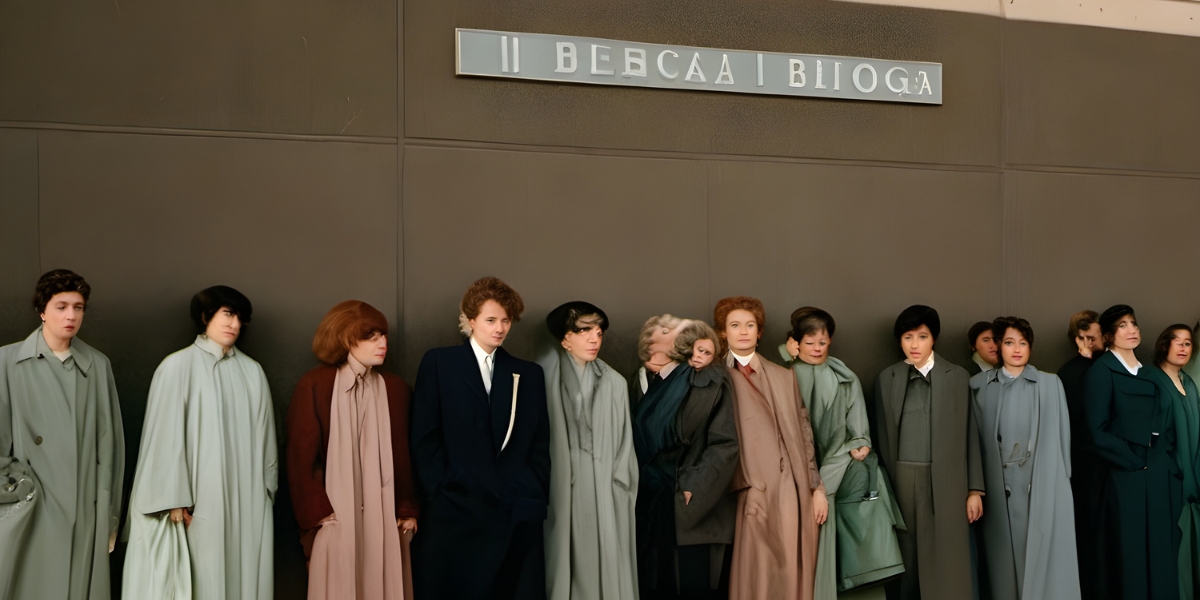
In contrast to those who seek technical perfection, Tanit finds value in the unexpected. After four years of experimenting with these models, she asserts that AI never offers exactly what one expects, and it is precisely in that “hallucination” where the magic resides.
“I am not in search of perfect images; I love it when AI resolves things for us with images that have some kind of flaw or something inexplicable that overflows sense”.
This philosophy is what she conveys to her students in the “Masterclass AI & Photography” at LABASAD. Her approach does not focus on software management, but on the previous phase: Artistic Research. For Tanit, it is vital that the author collects ideas, textures, and concepts before touching the machine, thus preventing the powerful AI engine from ultimately diluting the artist’s own voice.
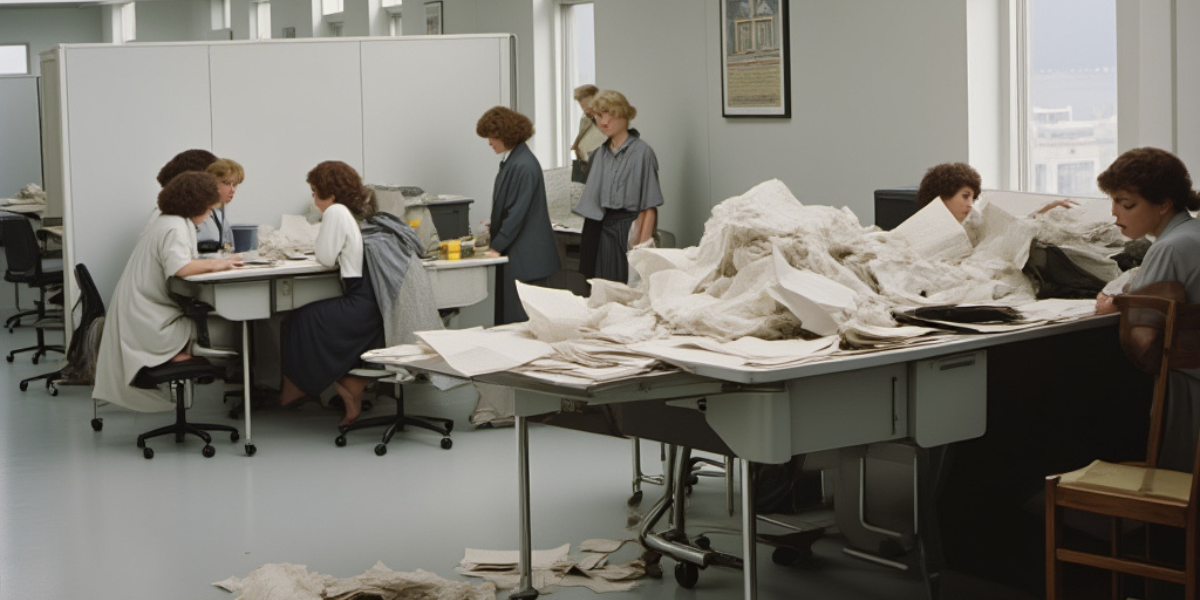
The relationship between photography and AI raises questions about truth. Tanit is clear on this: the goal is not to create realities that lie, but to be transparent about the processes. The challenge for new documentary photographers is not to master the fastest tool, but to have something to tell.
Her advice for those starting out is simple yet emphatic: before diving into technology, one must know what they want to talk about and what concerns them. Only then will the vehicle of AI keep us in our own creative lane.
If you are passionate about the image and want to explore new narratives, we invite you to discover our Online Master in New Documentary Photography. You will be able to learn directly from active professionals who are redefining the sector today.